BTS Reunion Turns The 2026 World Cup Final Into A Global Entertainment Spectacle
Mumbai (Maharashtra) [India], July 17: For decades, the FIFA World Cup Final has been football’s most sacred appointment. Ninety minutes, perhaps a little more, to decide a champion. The interval? Traditionally reserved for tactical lectures, nervous pacing, and enough sports drinks to hydrate a small nation.
Apparently, that wasn’t cinematic enough.
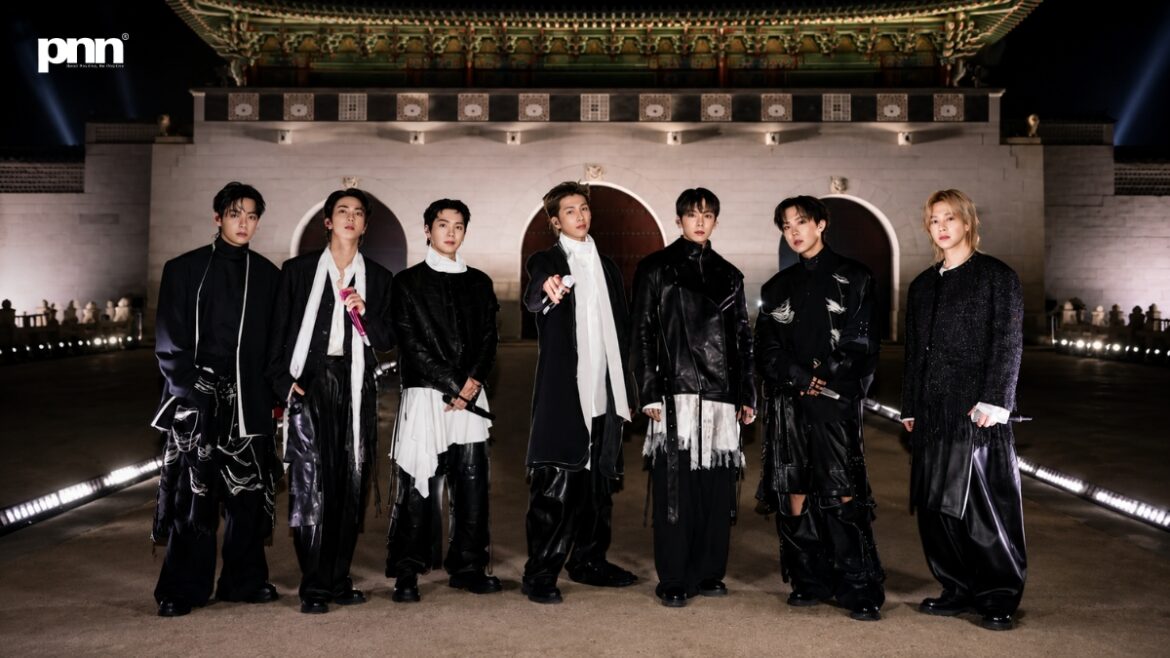
FIFA has officially confirmed that the 2026 FIFA World Cup Final will feature the tournament’s first-ever Halftime Show, transforming football’s biggest night into something that borrows as much from global entertainment as it does from sport. Headlining the historic performance is BTS, reuniting on one stage alongside an extraordinary lineup including Shakira, Madonna, Justin Bieber, and Burna Boy, while internationally acclaimed conductor Gustavo Dudamel and New York’s PS22 Chorus will also participate. The event will unfold on 19 July 2026 at New York New Jersey Stadium (MetLife Stadium), with Coldplay frontman Chris Martin serving as curator of the performance.
Suddenly, the world’s biggest football match has acquired another trophy—the ability to dominate both sports headlines and entertainment feeds simultaneously.
When Football Decides To Borrow Hollywood’s Script
Football has never struggled to attract attention. The FIFA World Cup Qatar 2022 reached an estimated 5 billion people globally, with the final alone attracting around 1.5 billion viewers, making it one of the most-watched sporting events ever recorded.
Those numbers explain why FIFA is no longer selling only football. It is selling global culture.
Introducing a halftime spectacle mirrors the commercial success seen elsewhere in international sport, where entertainment has become an indispensable part of audience engagement. For broadcasters, sponsors, and streaming platforms, the formula is elegantly simple: more entertainment equals more viewers, longer watch times, and greater advertising value.
The World Cup isn’t replacing football. It’s simply ensuring nobody changes the channel.
BTS Returns To The World’s Biggest Audience
For millions of fans, the headline is straightforward.
BTS is back.
The reunion arrives after members gradually completed military service in South Korea, ending years of limited group activity. Their return on one of the world’s largest live stages instantly transforms the halftime show into more than another musical performance. It becomes a cultural milestone capable of drawing audiences well beyond football supporters.
Joining them are artists whose careers collectively span multiple generations, creating an unusually diverse musical lineup rather than focusing on a single demographic.
Jennifer Hudson will also participate in the occasion, performing the United States national anthem before kickoff, adding another layer to what is shaping into one of the most ambitious sporting ceremonies FIFA has ever produced.
Entertainment With An Economic Purpose
Behind the dazzling production sits something considerably more practical.
The halftime show supports the FIFA Global Citizen Education Fund, an initiative designed to improve educational opportunities while expanding access to football for children worldwide.
According to organizers, the campaign has already secured US$50 million toward its broader fundraising objective, giving the event a philanthropic foundation rather than functioning solely as a commercial spectacle.
Meanwhile, staging a production of this magnitude carries enormous investment.
A global broadcast involving premium performers, advanced staging technology, live television infrastructure, and international logistics requires resources running into tens of millions of dollars. Yet for FIFA, the calculation extends beyond production costs. Increased sponsorship value, expanded digital engagement, and stronger global partnerships create commercial opportunities that continue long after the final whistle.
Applause, Debate, And A Little Healthy Skepticism
Naturally, not everyone is celebrating.
Traditionalists argue football risks drifting toward entertainment excess, where pre-match ceremonies and celebrity appearances threaten to overshadow the sport itself. Others question whether an 11-minute performance belongs in an event historically defined by sporting purity rather than pop culture.
Then again, football has never existed inside a museum.
The World Cup has consistently evolved—from VAR technology and expanded tournaments to enhanced digital broadcasts. A halftime show simply represents another chapter in that evolution.
The real challenge will be balance.
If the music complements the occasion rather than competing with it, FIFA could establish an annual tradition with enormous commercial appeal. If it distracts from the match, critics will waste little time reminding everyone that football was perfectly capable of entertaining people before microphones entered the dressing room.
The Final Whistle May Not Be The Loudest Moment
The 2026 FIFA World Cup is already expected to become the largest tournament in history, featuring 48 national teams across 16 host cities in the United States, Canada, and Mexico.
Adding the first official halftime show doesn’t diminish football’s importance—it acknowledges a changing entertainment economy where audiences increasingly expect experiences rather than events.
Perhaps that’s the real story.
The World Cup Final will still crown a champion.
It just appears the halftime break has finally decided it deserves a standing ovation, too.